Yamabuki Nadeshiko
Available in multiple sizes: 125g, 250g, 500g, and decorative tins
About This Tea
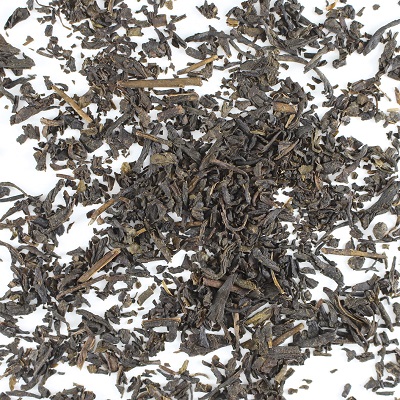
Yamabuki Nadeshiko is a new Japanese tea made with a patented manufacturing method called the microbial control fermentation method, incorporating sake production techniques to tea. The tea leaves are fermented in a clean room with black koji mold. This feature (application of existing technologies) makes Yamabuki Nadeshiko an innovative (opposed to traditional) dark tea and post-fermented tea among Japanese tea types. It is often likened to Pu'erh tea, however has high drinkability (mellow flavor) for a fermented tea, and our team consistenly recieves various types of positive flavor reviews and descriptions from partners around the world. Yamabuki Nadeshiko boasts a highly fruity and pleasant loose-leaf aroma. It has a beautiful rosé-colored (organge-ish brown) water liquor, and because the ingredients are stable, it can be brewed in boiling water like black tea. The catechin breaks down in fermentation (although some is left over afterwards), so this tea is good steep long at boiling water levels without experiencing any astringency. Each cup contains gallic acid, Teadenol A and B, and polymerized catechins. Yamabuki nadeshiko is named after two flowers: the Kerria japonica and the Dianthus superbus. It evokes images of floral fragrance and feminine beauty. Isagawa Tea Agriculture Cooperative in Haruno Village, Tenryu Region of Shizuoka. The tea is first sterilized and then fermented in a clean room environment with a laboratory grown and certified single strain of black koji most often used in making sweet potato shochu. The koji used in fermentation is a type of mold that creates enzymes as it grows which break down and transform the tea's catechins into new polyphenols, the complex starches into more simple sugars, and facilitates production of increased amounts of compounds such as citric acid and gallic acid. After the koji has done its job fermenting the tea over a period of days, the tea is steamed to kill the koji spores and then heat dried to make it ready for packaging.